The most common design mistakes are often smaller than you think, yet they carry a much greater impact.
When people think about interior design, the focus often lands on paint colors, finishes, fixtures, and furniture. While these elements matter, strong interiors go far beyond surface-level aesthetics. Thoughtful design considers how a space feels, functions, and supports everyday life.
Below are some of the most common, often overlooked design mistakes—along with insights on how to avoid them.
Designing Without a Clear Vision
One of the biggest mistakes is making selections without a clear plan. This often results in a home where each room looks nice on its own, but nothing truly connects.
How to avoid it:
Start by defining the bigger picture before making any selections. Ask yourself:
- What feeling do you want your home to evoke—warm and cozy, clean and modern, timeless and classic?
- What does your day-to-day lifestyle look like?
Creating a mood board can help turn abstract ideas into a clear visual direction. Aim for eight to ten images that capture an overall feeling rather than specific items.
Over time, patterns will emerge in color, texture, contrast, and style—forming your personal design guide.
A well-designed home always begins with a clear vision that reflects both lifestyle and aesthetic.
Lack of Visual Hierarchy
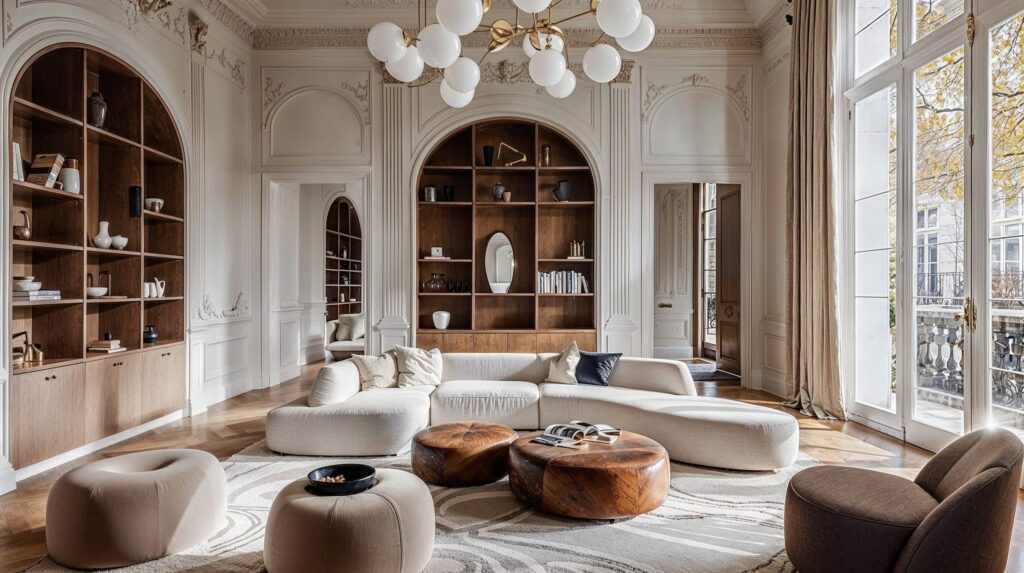
Every well-designed space needs order and intentional emphasis. When everything tries to stand out, nothing actually does.
This often happens when multiple bold elements compete—dramatic lighting, heavy countertops, patterned tile, and statement furniture are all competing in the same space.
How to avoid it:
Think in terms of priority, not quantity. Choose one element to lead the space, then scale everything else back to support it.
Each room should have:
- One primary focal point (the visual anchor)
- One or two supporting features
- Neutral or “quiet” background elements
Clarity creates impact. A strong focal point allows the entire space to feel intentional and balanced.
Poor Lighting Strategy
Lighting is one of the most impactful—and most underestimated—elements in design.
Relying on a single overhead fixture often results in a flat, uninviting space with harsh shadows and uneven illumination.
How to avoid it:
Use layered lighting in every space. Plan for at least three light sources per room—ambient, task, and accent—before finalizing your layout:
- Ambient lighting for overall illumination (ceiling fixtures, recessed lights)
- Task lighting for function (under-cabinet lighting, reading lights, vanity lighting)
- Accent lighting for depth and atmosphere (sconces, uplighting, decorative features)
Dimming should be considered essential, not optional. The ability to adjust lighting levels completely transforms how a space feels from day to night and defines how the home is experienced.
Ignoring How the Home Flows
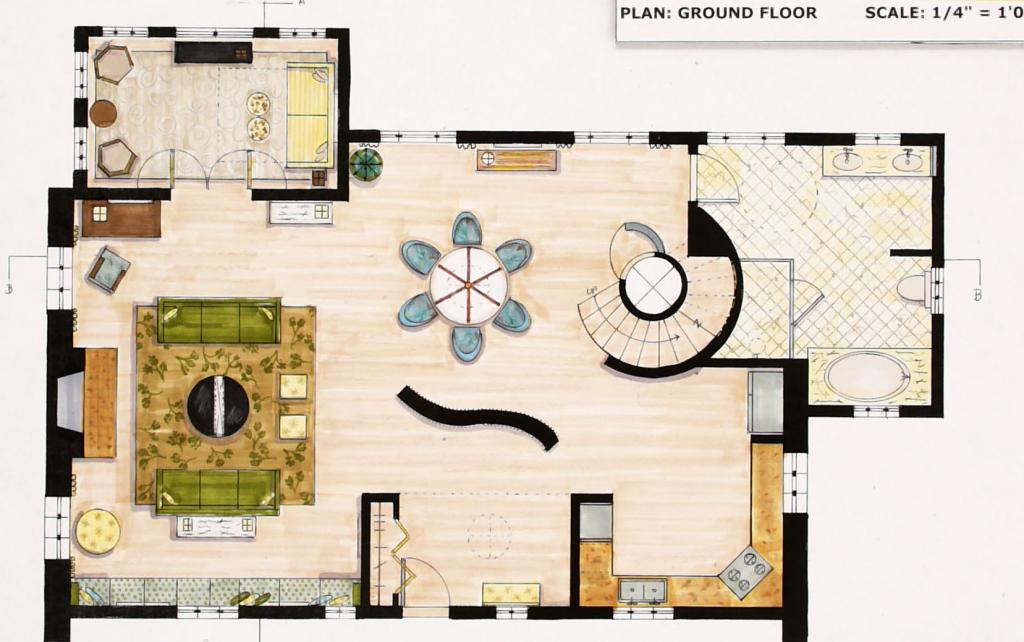
Design is not just about individual rooms—it’s about how spaces connect and how the home is experienced as a whole.
A home can have beautiful rooms but still feel disjointed if transitions are not considered.
How to avoid it:
Walk through the home both mentally and physically. Stand at key entry points and sightlines and notice what draws your eye first. Ask:
- What do you see when you enter?
- What is visible from main sightlines?
- Does each space feel connected to the next?
Small decisions—like framing a view or aligning sightlines—can dramatically elevate a home.
A well-designed space should feel seamless and intuitive, naturally guiding you from one space to another.
Overlooking Functionality
A home that looks beautiful but doesn’t function well will never feel complete.
Common issues include insufficient storage, awkward furniture layouts, tight walkways, and lack of landing spaces.
How to avoid it:
Design around your lifestyle. Walk through a typical day and identify moments of friction or inconvenience. Then design solutions around them to improve the flow:
- Where do you drop your bags when you walk inside?
- How do you move through each space?
Function should never be an afterthought. A well-designed space supports your life as effortlessly as it supports your style.
Inconsistent Detailing
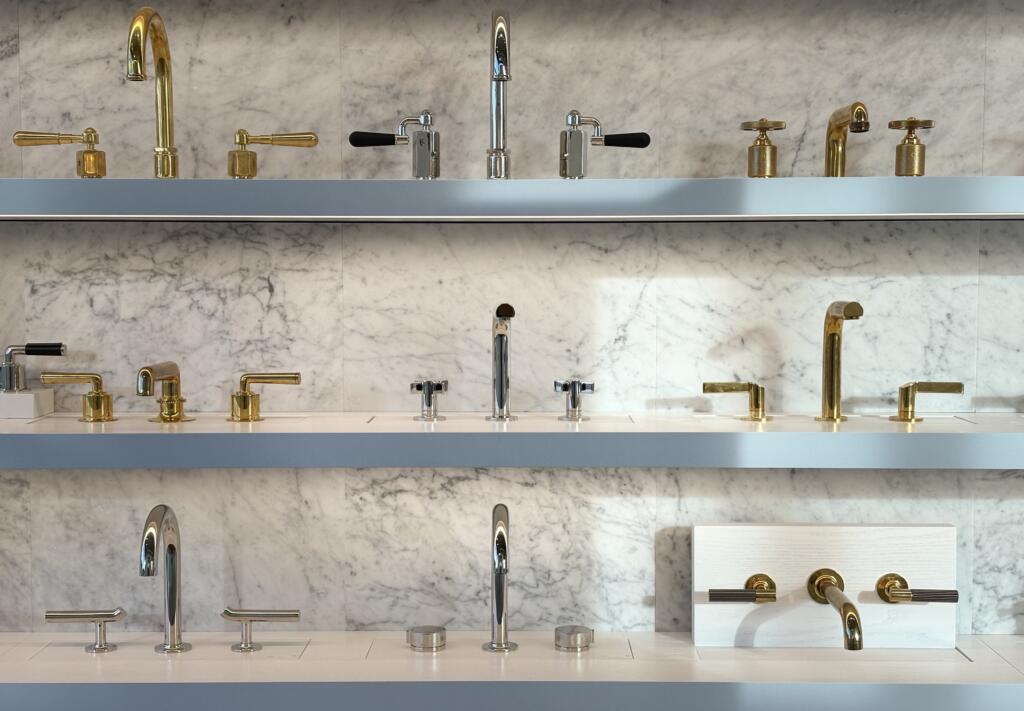
Small details make a significant difference. Inconsistent trim styles, hardware placement, or finishes can create subtle but noticeable visual tension.
How to avoid it:
Establish a clear “design rule system” early:
- Standardize hardware placement
- Define trim and molding profiles upfront
- Limit finish variations to intentional moments
Consistency in the smallest details is what elevates a space from good to truly refined.
Designing Around Trends Alone
Trends can be inspiring, but they should never be the foundation of a design.
Trend-driven spaces tend to lose their impact over time.
How to avoid it:
Build around timeless elements, and incorporate trends in ways that are easy to change:
- Artwork
- Soft furnishings
- Decorative accents
- Paint (in controlled areas)
This allows your space to evolve over time without requiring a full redesign. Trends should enhance a space, not define it.
Poor Electrical Planning
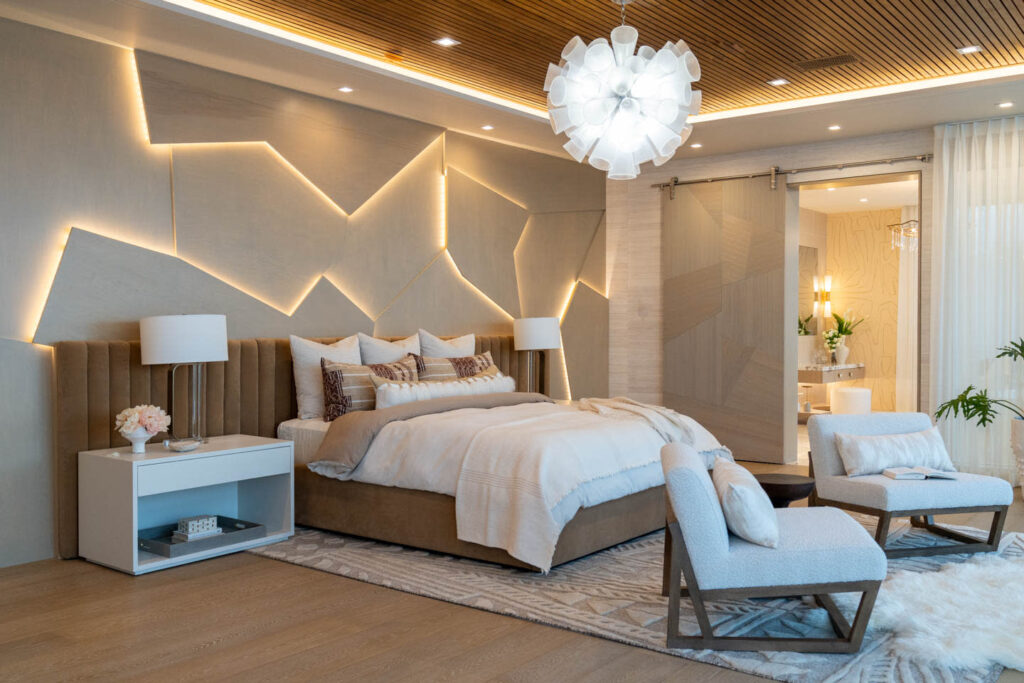
Electrical planning is one of the most overlooked—and most regretted—parts of a project.
Common issues include poorly placed outlets, missing switches, and insufficient charging areas.
How to avoid it:
Plan electrical layouts alongside furniture layouts—not after. Consider:
- Where lamps will actually go
- Where furniture will float vs. sit against walls
- How technology will be used daily
Early planning ensures both functionality overall and flexibility.
Ignoring Acoustics
Open-concept homes with hard surfaces often suffer from echo and noise carry, which can impact comfort more than expected.
How to avoid it:
Balance hard surfaces by incorporating sound-absorbing materials:
- Area rugs
- Upholstered furniture
- Drapery and soft window treatments
Acoustics may not be visible, but they play a major role in how a space feels.
Removing the Wrong Elements to Cut Costs
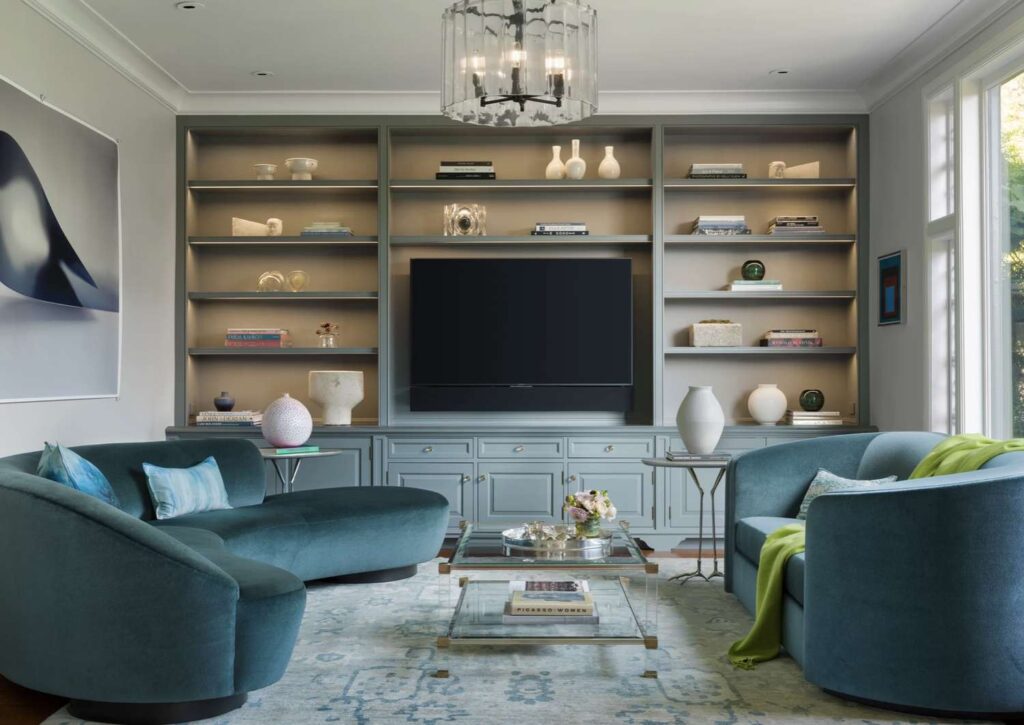
Budget adjustments are normal, but cutting the wrong features can significantly impact the final result.
How to avoid it:
Identify and protect key elements early:
- Architectural features
- Built-ins that define the layout
- Core material selections
If reductions are needed, simplify secondary elements like decorative trim or non-essential built-ins instead.
Strategic decisions help maintain the integrity of the design while still meeting your budget goals.
Final Thoughts
Designing a home is about more than selecting finishes—it’s about creating a space that reflects you, supports your lifestyle, and stands the test of time.
By approaching design with clarity and intention, it’s possible to create spaces that are not only visually beautiful but deeply functional.
The best homes aren’t just designed—they are thoughtfully considered, carefully layered, and lived in with ease.

Alexandria holds a Bachelor of Fine Arts in Interior Design from Kendall College of Art and Design of Ferris State University.
- Common Design Mistakes (And How to Avoid Them) - May 4, 2026