Whether you’re building a new home from the ground up or remodeling an existing space, construction documents are the backbone of your project.
For many homeowners, these documents can feel overwhelming at first—but understanding their purpose and how they fit together can make your experience smoother, more transparent, and ultimately more successful.
Start with the Scope

Every project begins with defining the scope of work. This is the foundation that outlines what will be built, renovated, or improved.
During the preliminary stages, you’ll work with your home builder or design team to establish your goals, budget, and priorities. These early conversations often result in conceptual drawings, rough estimates, and initial specifications.
Once the scope is clearly defined, it becomes part of the construction contract. This contract isn’t just a formality—it’s a critical document that formalizes expectations, responsibilities, timelines, and costs. It typically includes drawings, specifications, allowances, and a detailed description of the work to be completed.
For both new construction and remodels, having a well-defined scope helps prevent misunderstandings and sets the stage for a successful project.
Plans and Specifications
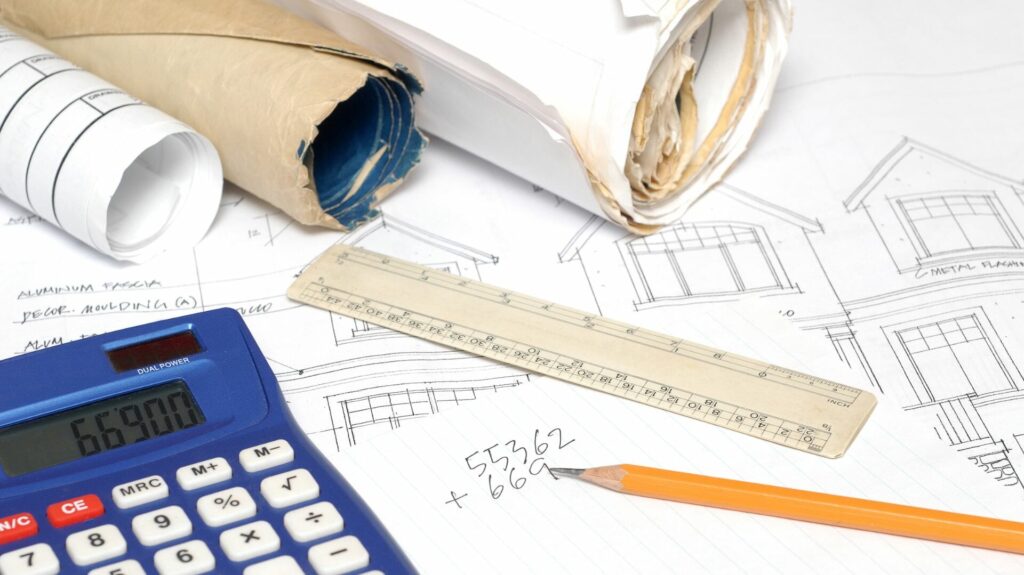
Construction documents usually include architectural plans (blueprints), and written specifications. For new homes, these documents are often more extensive, covering everything from site layout to structural details and mechanical systems.
In remodel projects, documents may focus more on the specific areas being updated, but they are just as important for ensuring clarity.
Specifications complement the drawings by describing materials, finishes, and installation methods. Together, plans and specs act as the “instructions” your builder follows.
As a homeowner, reviewing these documents—even at a high level—helps you understand what you’re getting and ensures your expectations align with the final product.
Selections and Allowances
Another key component is selection documents. These outline the finishes and fixtures you’ll choose throughout the project, such as flooring, cabinetry, countertops, lighting, and plumbing fixtures.
In many cases, contracts include allowances—budget placeholders—for items that haven’t been selected yet.
For example, your contract might include an allowance for kitchen cabinets. If you choose cabinets that cost more than the allowance, you’ll pay the difference.
Selection documents help track these decisions and keep your project within budget.

Change Orders
No matter how well a project is planned, changes are common, especially in remodels where unexpected conditions can arise when demolition begins. That’s where change orders come in.
A change order is a formal document that modifies the original scope of work. It details what is changing and how it affects the project cost.
Whether you decide to upgrade materials or your contractor uncovers an issue that needs addressing, every change should be documented and approved before work proceeds.
This protects both you and the builder and keeps the project organized.
Staying Informed and Engaged
The key to navigating construction documents is communication. Don’t hesitate to ask questions or request clarification.
A reputable custom home builder will walk you through the documents and make sure you understand each phase of the project.
By taking the time to understand your construction documents, from the initial scope and contract to selections and change orders, you’ll be better equipped to make informed decisions.
Whether building a new custom home or remodeling, this knowledge empowers you to stay in control of your project and ensures the end result matches your vision.

- Outdoor Materials that Hold Up in Midwest Weather - May 26, 2026
- Understanding Construction Documents - April 27, 2026